
What Is a VIN and Why It Matters Before You Buy a Used Car
What is a VIN? How to read and decode the 17-character vehicle identification number, where to find it, and how to check a VIN for free before buying a used car.
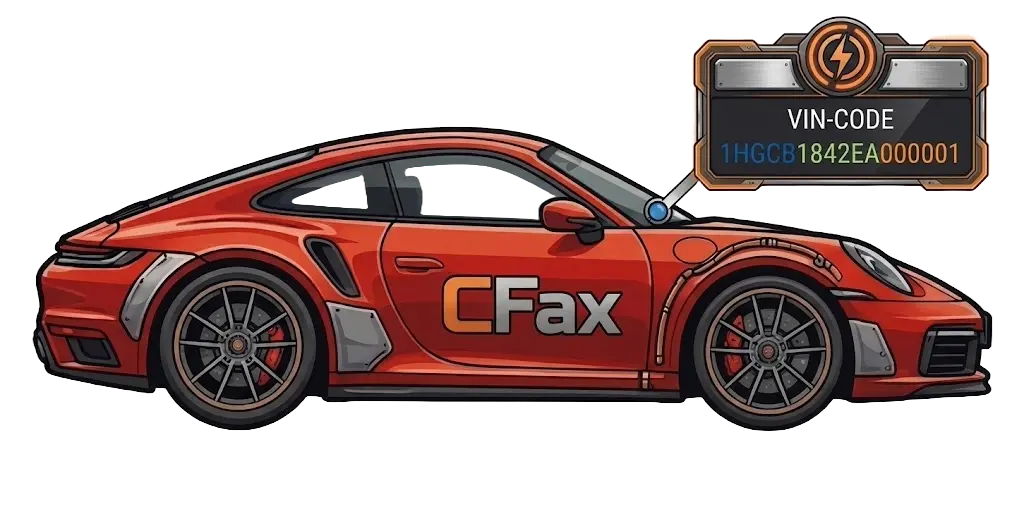
A VIN (Vehicle Identification Number) is the unique 17-character code that identifies a single vehicle — like a fingerprint or passport for a car. Before you buy any used car, the VIN is the one piece of data that unlocks its real past: accidents, mileage, ownership, title status and more. This guide explains what a VIN is, how to read it, where to find it, and how to check a VIN for free before you pay.
What is a VIN?
A Vehicle Identification Number is a 17-character string of letters and digits assigned by the manufacturer to every car, truck, motorcycle or trailer built since 1981. No two vehicles share the same VIN. Because it never changes over the life of the vehicle, the VIN is the key that ties together every record about that specific car — which is exactly why a vehicle history report by VIN is the fastest way to verify a used car before buying.
How to read and decode a VIN
The 17 characters are not random. When you decode a VIN, it breaks into three parts:
- WMI (positions 1–3) — World Manufacturer Identifier: country of origin and manufacturer (for example, a VIN starting with 1, 4 or 5 is built in the USA).
- VDS (positions 4–9) — Vehicle Descriptor Section: model, body type, engine, and other specifications. Position 9 is a check digit that mathematically validates the whole VIN and helps expose typos or tampering.
- VIS (positions 10–17) — Vehicle Identifier Section: position 10 encodes the model year, position 11 the assembly plant, and the last six digits are the car's unique serial number.
A valid VIN never uses the letters I, O or Q, to avoid confusion with the digits 1 and 0. If a VIN contains them, treat it as a red flag.
Where to find the VIN on a car
You can locate the 17-character VIN in several places:
- Lower corner of the windshield on the driver's side (visible from outside).
- On a sticker inside the driver's door jamb or door pillar.
- In the vehicle registration, title and insurance documents.
- Stamped on the engine block or firewall.
Always confirm that the VIN on the car matches the VIN in the paperwork — a mismatch is one of the clearest warning signs of fraud or a cloned vehicle.
Why the VIN matters before you buy a used car
A shiny listing tells you what the seller wants you to see. The VIN tells you what actually happened. Running a VIN check before you buy protects you from:
- Hidden accident and damage history — collisions, frame damage, airbag deployment and flood damage that a fresh coat of paint can hide.
- Odometer fraud — mileage records across years reveal whether the clock has been rolled back.
- Title problems — salvage, rebuilt, junk or stolen-vehicle records that destroy resale value and can make a car unsafe.
- Undisclosed ownership and usage — how many owners a car had, and whether it served as a taxi, rental or lease vehicle.
- Open recalls — unresolved manufacturer safety campaigns tied to the VIN.
What a vehicle history report by VIN reveals
Enter the VIN and a vehicle history report pulls together the records tied to that car: accident and damage events, mileage readings, registration and ownership changes, service history, legal and theft status, usage conditions, recall campaigns and factory specifications. The exact set of records depends on the data available for each specific vehicle — which is why it is worth checking the record count before you decide.
How to check a VIN for free
You do not need to pay just to find out whether a report exists. On the CFax homepage you can enter any 17-character VIN for free and instantly see the number of available records plus basic specs (make, model, year, engine) — no registration required. If the vehicle looks worth pursuing, you can buy the full VIN report for a few dollars and download it as a PDF to share with a mechanic or the seller. See common questions in our FAQ.
Red flags to watch for
- The VIN on the dashboard does not match the door sticker or the documents.
- The seller refuses to share the VIN before you visit.
- The VIN plate looks scratched, re-riveted or freshly painted.
- A history report shows gaps, a rolled-back odometer, or a salvage title the seller never mentioned.
Frequently asked questions
How many characters is a VIN?
Exactly 17 characters for vehicles built from 1981 onward. Older cars may have shorter VINs.
Can I check a VIN for free?
Yes. You can check any VIN for free on the CFax homepage to see how many records exist and the basic vehicle specs before deciding whether to buy the full report.
Is a VIN the same as a license plate?
No. A license plate can change with the owner or region; the VIN is permanent and stays with the vehicle for life.
Is checking a VIN the same as a Carfax report?
A Carfax report is one well-known type of vehicle history report. CFax is an affordable alternative that provides similar VIN-based history data for cars from the USA and Canada.
Ready to check a car? Run a free VIN check and see its history in seconds.